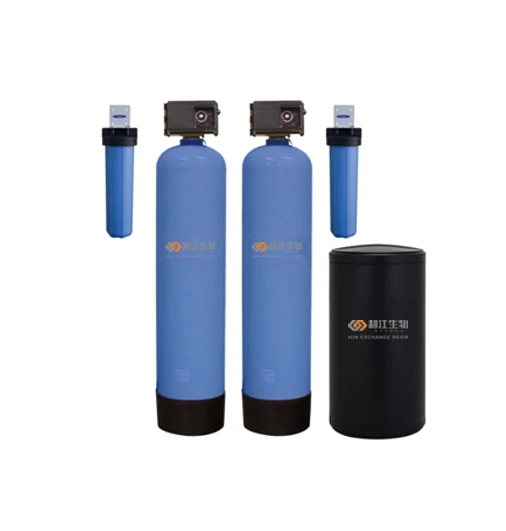
cation exchange water treatment
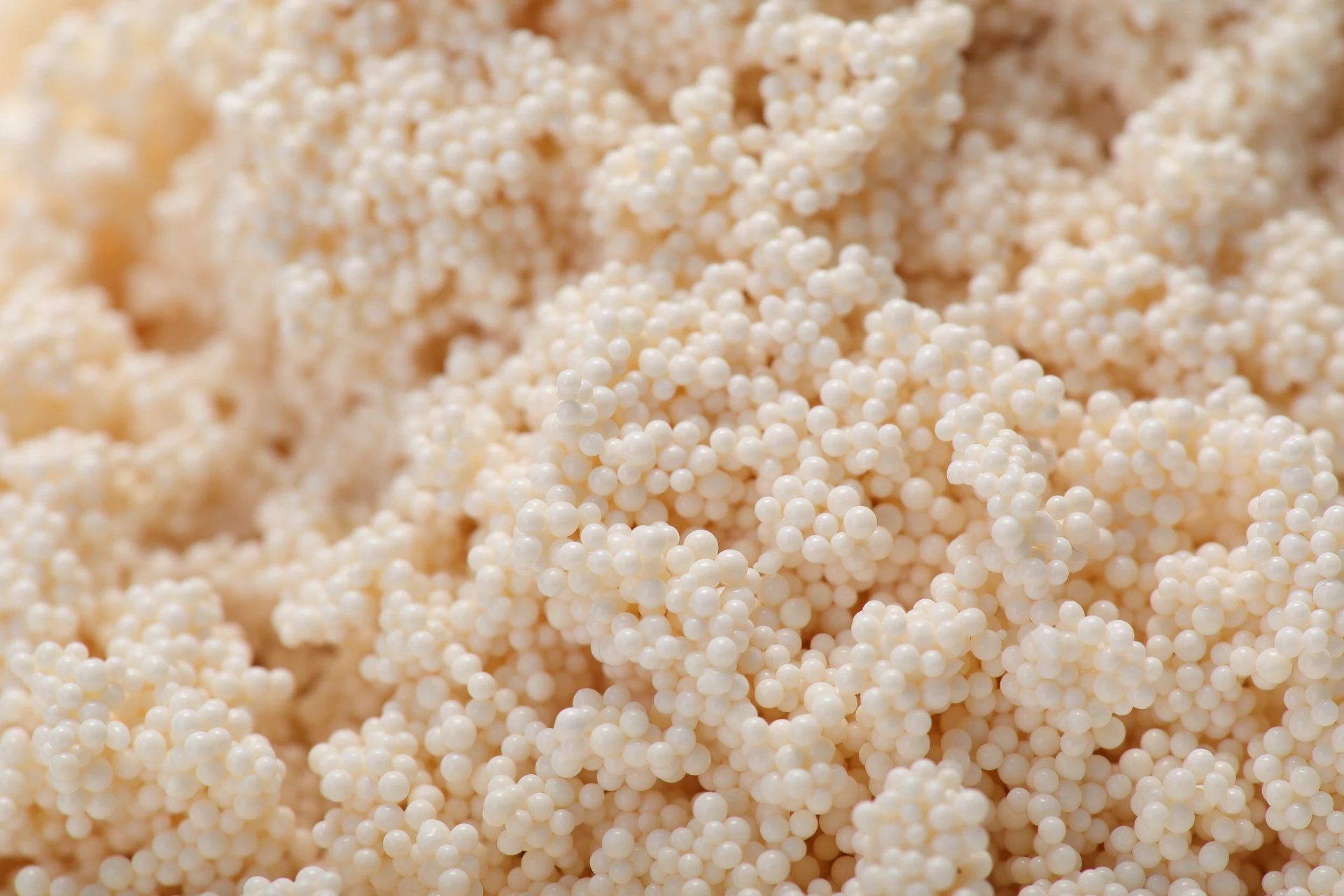
The Essential Role of Cation Exchange Resin and Anion Exchange Resin in Modern Water Treatment At first glance, words like cation exchange resin and anion exchange resin might sound like textbook jargon — scientific, isolated, maybe even a bit dry. But in reality, these resins are quietly at work all around us, shaping how we access clean water, manufacture everyday products, and care for the environment. Understanding their function says a lot about global sustainability efforts and industrial efficiency. Frankly, in a world grappling with water scarcity and pollution, these resins are unsung heroes. Why These Resins Matter Globally Globally, roughly 2.2 billion people lack access to safely managed drinking water services (UN, 2023). Contaminants like heavy metals, nitrates, and dissolved solids threaten both health and ecosystems. Here’s where cation exchange resin and anion exchange resin come into play — they offer practical, scalable solutions through ion exchange technology to purify, soften, and desalinate water. Plus, industries from pharmaceuticals to power plants rely on these resins to improve product quality and reduce environmental harm. In simple terms, if clean water is life’s currency, then ion exchange resins are part of the minting process. What Are Cation Exchange Resin and Anion Exchange Resin? These synthetic polymer beads function like tiny magnets, swapping unwanted ions in a fluid with more acceptable ones. Cation exchange resins target positively charged ions (like calcium, magnesium — contributors to water hardness), whereas anion exchange resins latch onto negatively charged ions (think sulfates, nitrates, or chlorides). This swapping—or "exchange"—is fundamental to processes as varied as softening hard water, removing toxic metals, and recovering precious metals from waste streams. In humanitarian contexts, such as emergency clean water provisions, their rapid deployment means safer drinking options when infrastructure fails. Mini takeaway: Cation and anion exchange resins work together to cleanse and condition liquids by selectively removing ions, improving purity and safety. Key Factors Driving Their Industry Success 1. Durability and Chemical Stability Industry-grade ion exchange resins withstand a variety of pH ranges and temperatures, often withstanding repeated regeneration cycles (where the resin is refreshed using chemical agents). Their longevity directly impacts operational efficiency and replacement costs. 2. Selectivity and Capacity Not all resins are created equal — the ability to selectively bind specific ions matters a lot. A higher exchange capacity translates to fewer resins needed, smaller equipment footprints, and lower expenditures on chemicals and regeneration water. 3. Scalability and Flexibility From small scale portable units used in remote field operations to massive industrial water treatment plants, these resins are adaptable. Engineers appreciate how their modular nature fits custom system designs without prohibitive cost. 4. Environmental Impact Newer resins prioritize sustainability, reducing hazardous waste from regeneration processes, and sometimes are engineered for biodegradability or reduced leaching. 5. Cost Efficiency Over Lifecycle While initial purchase price matters, the cost per gallon treated over time — factoring in resin lifespan, regeneration, and disposal — is usually the real measure. Mini takeaway: Durability, selectivity, and scalability, coupled with eco-conscious design, make cation and anion exchange resins industry favorites. Typical Product Specifications of Ion Exchange Resins Specification Cation Exchange Resin Anion Exchange Resin Base Material Sulfonated polystyrene Quaternary ammonium functionalized polystyrene Functional Group -SO3H (sulfonic acid group) -NR3+ (quaternary ammonium group) Typical Capacity (meq/mL) 1.7 – 2.0 1.1 – 1.5 Operating pH 1 - 14 0 - 14 (varies by resin) Particle Size 300 – 1200 µm 300 – 1200 µm Global Applications: Where These Resins Really Make a Difference The use cases for cation and anion exchange resins range wide and deep: Municipal water treatment: Softening and removing heavy metals to meet drinking water standards worldwide. Pharmaceutical manufacturing: Providing ultrapure water as base for intravenous fluids or meds. Power generation plants: Demineralizing boiler feed water to prevent scaling and corrosion. Environmental remediation: Capturing toxic ions from industrial wastewater before release. Disaster relief: Portable purification units utilizing these resins have been deployed by NGOs in flood and earthquake zones. For instance, in parts of Southeast Asia where groundwater is high in arsenic, ion exchange resins are integral to community-scale filters that restore safe drinking water. Meanwhile, in remote mining operations in South America, they recover precious metals from heap leach solutions, turning waste into wealth. Mini takeaway: From urban centers to remote sites, these resins are trusted tools for safe water and resource recovery worldwide. Comparing Leading Ion Exchange Resin Vendors Vendor Specialty Typical Applications Regional Presence Liji Resin Custom synthetic resins, eco-friendly options Water treatment, pharma, mining Asia, Europe Dow Chemical Wide range standard resins, high capacity Industrial, power, municipal Global Purolite Specialized resins, rare ion capture Wastewater, precious metals North America, Europe, Asia The Long-Term Advantages of Using These Resins You might wonder — beyond the specs and use cases — why invest in these resins? The short answer is reliability paired with sustainability. They minimize waste volumes, reduce energy-intensive pretreatment steps, and enhance water reuse potential. On an emotional level, ensuring access to safer water helps safeguard dignity and health. Systems using these resins often enjoy fewer breakdowns and lower environmental compliance risks. So they’re not just good chemistry — they’re smart business and socially responsible too. Mini takeaway: Whether viewed through environmental, social, or economic lenses, ion exchange resins offer durable benefits that last. Future Trends: What’s Next in Ion Exchange Resin Technology? Innovation in cation and anion exchange resins is moving fast — with a big nod toward green chemistry. Here are a few trends to watch: Biodegradable resins: Minimizing environmental persistence after end-of-life. Nano-enhanced resins: Improved selectivity and capacity through nanostructuring. Automation integration: Real-time monitoring of resin health via IoT sensors. Hybrid technologies: Combining ion exchange with membrane or adsorption methods for tougher contaminants. Policy-driven demand: Stricter water quality standards boosting deployment worldwide. Oddly enough, ion exchange resins might soon be as smart as the equipment they're loaded into. Challenges and How They’re Being Tackled Ion exchange resins aren’t perfect. Challenges include fouling by organic matter, resin breakdown over time, and management of spent regeneration brines. Still, researchers and manufacturers are on it: improved resin coatings resist fouling; better regeneration chemistries reduce hazardous waste; and system designs now facilitate resin replacement without downtime. So while no magic bullet exists, the industry is steadily refining solutions. Mini takeaway: Recognizing and innovating around current resin limitations keeps this technology valuable and viable. FAQs About Cation Exchange Resin and Anion Exchange Resin Q1: How do I know which resin—cation or anion—I need for my water treatment? A: It depends on your water’s constituents. If you’re targeting hardness (calcium, magnesium), cation resins are ideal. For removing nitrates, sulfates, or organic acids, anion resins fit better. Often, combined systems use both. Q2: Can these resins be reused, or do I need to replace them regularly? A: They’re designed for repeated regeneration with acids or bases, extending their lifespan. However, after many cycles (often years), capacity decreases and replacement is optimal. Q3: Are ion exchange resins safe for human consumption applications? A: Yes. Resins certified for food and pharma use undergo strict testing to ensure no harmful leachates, meeting standards like ISO 9001 and FDA regulations. Q4: What happens to the pollutants removed from water—can they be recovered? A: Often yes. Some precious metals or nutrients can be recovered during regeneration. Otherwise, concentrated waste streams require proper disposal. Q5: How do I import these specialized resins for international projects? A: Working with reputable vendors (like Liji Resin, for example) ensures proper documentation and compliance with customs and chemical transport regulations. Wrapping Up: Why These Resins Still Matter Clean water, pollution control, and resource recovery pose huge global challenges. Cation exchange resin and anion exchange resin aren't just chemical curiosities—they're core tools helping humanity meet those demands effectively and responsibly. As the world leans further into sustainability, innovation, and smarter infrastructure, expect these resins to stay center stage. Want to learn more or explore product options tailored for your needs? Visit our website and dive deeper into the science and solutions behind these critical materials. Final thought: I often think about the invisible impact technologies like ion exchange resins have—quietly enabling better health and cleaner environments, day in and day out. It’s good to give credit where it’s due. References: UN Water Atlas 2023 Wikipedia: Ion Exchange Resin ISO Quality Standards for Water Treatment
-
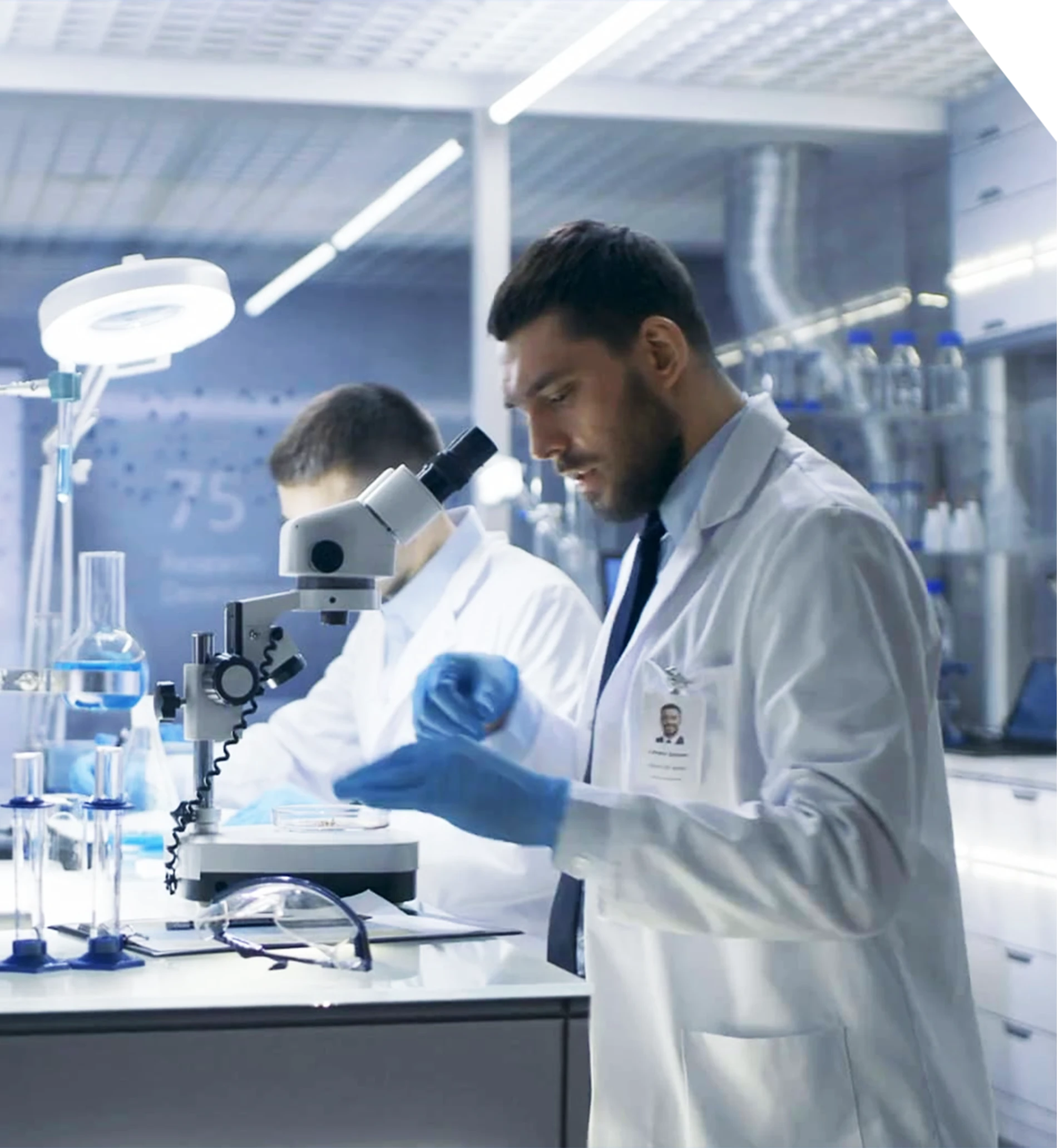
 Strong R & D Capability And Experienced Technical Team
-
Provide Customers With Competitive And Differentiated Products